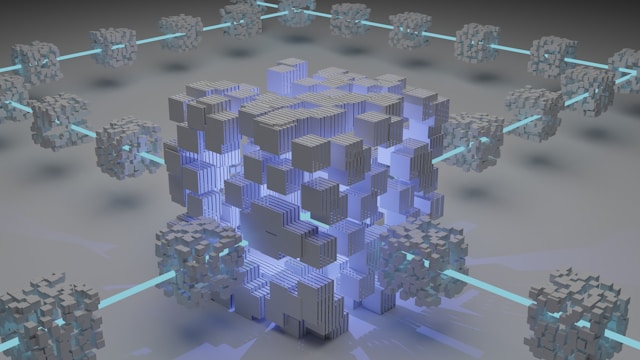
Technological trends in the crypto market continue to develop rapidly, shaping the new architecture of digital finance and setting the direction for the industry for the coming years. One of the key areas remains the creation of scalable solutions capable of supporting high loads at low fees. The emergence of modular blockchains, second-layer networks, and optimized consensus mechanisms makes crypto systems faster and more accessible for mass use. Technologies are becoming more flexible, allowing projects to adapt to the growing demands of businesses and users.
Interoperability protocols, which enable interaction between different blockchain networks, are becoming increasingly important. This creates the basis for the formation of a unified distributed ecosystem where data and assets can move freely between platforms. Such solutions open up new opportunities for complex decentralized applications, multi-chain platforms, and global financial instruments. Interoperability is becoming a key element of a mature crypto infrastructure, eliminating the limitations of isolated networks.
The growing interest in decentralized finance is driving the development of more advanced algorithms for liquidity management, risk management, and financial transaction automation. Innovations in smart contracts allow for the creation of more secure protocols, reducing the likelihood of errors and increasing user confidence. At the same time, solutions aimed at increasing transaction privacy are being developed. Improved cryptographic methods make it possible to maintain data privacy without compromising transparency and verification.
Artificial intelligence is gradually being integrated into various aspects of the crypto market, from automated trading to on-chain data analysis. Its use helps identify anomalies, optimize strategies, and improve infrastructure management. AI is becoming an important tool for both developers and users of the ecosystem. At the same time, the tokenization of real assets is gaining ground, simplifying the ownership, management, and transfer of rights to tangible and financial assets. This trend is helping to expand the crypto market’s audience and attract traditional institutions.
Particular attention is paid to security issues. The increasing complexity of technologies necessitates the creation of new methods of protection, code auditing, and tracking of suspicious operations. Infrastructure solutions are becoming more complex, and cyber resilience requirements are becoming more stringent. As a result, the crypto market is moving towards maturity, where not only innovation is important, but also stability, manageability, and trust.
All these trends are shaping the future of the digital economy, making the crypto industry more structured, scalable, and focused on the real needs of users and businesses.